




![[FATHER'S DAY] Ember Glow Ticket | $6.68 — Handcrafted Epoxy Resin LED Lamp | Unique Ambient Decor & Collector's Gift](http://rescenestudio.com/cdn/shop/files/Lucky_Star_Ticket_NYE_2026_c61361fc-ea06-4a31-8379-e16ed7d47902.jpg?v=1767177179&width=320)


10 Interior Design Trends That Will Define 2026

Every few years, interior design shifts in a way that actually matters. Not a single viral color or a fleeting Pinterest micro-trend, but a genuine rethinking of how we want our homes to feel. That shift is happening right now. The design trends defining 2026 are a direct response to years of stark minimalism and cold, photogenic spaces that looked beautiful in photos but felt uncomfortable to actually live in. People want warmth back. They want texture, character, and rooms that tell a story.
Whether you are renovating a whole apartment or simply looking to refresh a single room, knowing which trends have staying power saves you time and money. Some of the looks circulating on social media right now will be everywhere for two more years. Others peaked six months ago and are already starting to feel dated. This guide covers the ten design directions genuinely worth your attention in 2026, where to shop for them, and how to layer them into your existing space without starting over.
1. Japandi: The Design Language That Refuses to Fade
Japandi, the fusion of Japanese wabi-sabi philosophy and Scandinavian hygge sensibility, has been trending since the early 2020s, and it shows no signs of slowing. In 2026, the aesthetic has matured. It is less about copying a specific look and more about adopting the underlying values: quality over quantity, natural materials, imperfect beauty, and functional simplicity. Furniture brands like West Elm and CB2 now stock entire Japandi-influenced lines, making the style more accessible than ever.

The key to getting Japandi right in 2026 is restraint paired with warmth. Think low-profile wood bed frames, linen bedding in oat or clay tones, a single ceramic lamp, and one statement plant. The palette is neutral but never sterile. Warm whites, soft greys, and deep earthy browns replace the icy whites and stark greys of the previous minimalist wave. IKEA's NORNÄS collection offers solid wood pieces at an accessible price point if you are building the look on a budget.
Lighting is critical in a Japandi room. Overhead fluorescents kill the mood entirely. Instead, layer multiple low sources: a floor lamp behind a reading chair, a small table lamp on the nightstand, and perhaps a sculptural piece on a shelf. The goal is pools of warm light rather than uniform brightness. Handcrafted objects with visible artisan marks, whether a hand-thrown ceramic mug or a lamp with natural organic inclusions, add the wabi-sabi imperfection that gives this style its soul.
2. Warm Maximalism: Permission to Finally Own Your Stuff
Cold minimalism has had a long run, but the cultural mood in 2026 is swinging decisively toward abundance. Warm maximalism is the antidote: rich, layered, personal spaces filled with objects that mean something. The difference between warm maximalism and plain clutter is curation. Every item on a warm maximalist shelf is there because it was chosen deliberately, not just because it had nowhere else to go.

Color is central to this trend. Deep forest greens, burgundy, mustard, and terracotta are replacing the grey-and-white combinations that dominated the last decade. Velvet sofas, patterned cushions, layered rugs, and gallery walls all feel current in a way they did not a few years ago. Pinterest trend data for early 2026 shows "cozy maximalism" and "grandmillennial" searches up significantly from the same period last year. This is not a short-term blip.
The practical challenge with maximalism is preventing it from feeling chaotic. The trick is to commit to a consistent warm color temperature throughout the room. Every object, regardless of style or era, reads as part of the same composition when the lighting is unified. Ambient objects that emit their own warm glow, like a sculptural lamp with a soft internal light, anchor the visual temperature of a space and make the rest of the collection feel cohesive. The Eternal Rose Garden Resin Lamp is one option that brings exactly this kind of warm botanical glow to a curated shelf or side table.

3. Curved and Organic Forms
The hard-edged, angular furniture of mid-century and contemporary modern design is giving way to softer, more organic shapes. Round dining tables, curved sofas, arched floor lamps, kidney-shaped coffee tables, and blob-like ottomans are everywhere in 2026. This is partly a reaction to how much time people spend interacting with sharp corners in office environments and digital interfaces. Home becomes the place where edges soften.
This trend works well across many different style families. A curved sofa fits naturally in a Japandi room. An arched reading lamp works in a warm maximalist setup. Even small organic accents like a rounded ceramic vase or a scallop-edged mirror can soften a room without a full furniture replacement. IKEA's Stockholm collection and West Elm's Harmony range both lean into curved silhouettes at different price points. The key is to choose curves with intention rather than rounding every edge in the room, which quickly starts to look childlike rather than considered.
4. Biophilic Design: Nature as the Design System
Biophilic design, the practice of integrating natural elements into interior spaces, has moved well beyond the "put a plant in the corner" phase. In 2026, it encompasses material choices (raw wood, rattan, stone, linen), color palettes derived from landscapes, the presence of water elements, and crucially, lighting that mimics the quality of natural light across the day. Studies consistently show that spaces with strong biophilic elements reduce stress and improve cognitive function, which is why designers and architects are taking the concept seriously rather than treating it as decor trend.
For renters who cannot make structural changes, biophilic design is still achievable through materiality and light. Swap synthetic fabrics for linen and cotton. Replace plastic storage bins with woven baskets. Add a low-maintenance indoor plant, a fiddle leaf fig or a snake plant, in a handmade ceramic pot. Think carefully about your light sources. Cold blue-spectrum bulbs are the opposite of biophilic. Warm-spectrum LEDs and objects that glow with an organic warmth, like resin sculptures with embedded natural forms, carry the feeling of the natural world indoors without a trip to the garden center.
5. Layered Lighting: The Single Biggest Upgrade You Can Make
Lighting is the element most homeowners get wrong, and getting it right transforms a space more than any furniture purchase. A single overhead light, especially a recessed LED or a plain flush mount, creates flat, unflattering illumination with harsh shadows. Layered lighting means combining three types: ambient (overall room light), task (focused light for reading, cooking, working), and accent (decorative or atmospheric light that adds warmth and depth).
In 2026, accent lighting is having a significant moment. Table lamps with sculptural bases, LED strip lights tucked behind furniture to create a halo effect, and statement floor lamps with textured shades are all trending heavily. The goal is to create zones of warm light rather than flooding the whole room with the same uniform brightness. Handcrafted lamps that also function as objects of art, pieces where the lamp itself is something you would display even if it were not functional, represent the high end of this trend. The Deep Blue Ocean Resin Lamp is a strong example: its translucent ocean-blue layers glow from within when lit, creating an ambient focal point that no mass-produced lamp can replicate.

For more ideas on using lighting to transform a workspace, read our guide on desk decor ideas that actually make you more productive. The principles of layered lighting apply just as well to a home office as to a living room.
6. Earthy Color Palettes and the Death of Grey
Grey has dominated interior design for over a decade, and 2026 marks the moment it truly falls out of favor with designers. The replacement is not a single color but a whole family: earthy, warm neutrals that feel grounded and alive. Think terracotta, sand, clay, sage green, warm taupe, rust, and deep olive. Benjamin Moore and Sherwin-Williams both released 2026 color forecasts that skew heavily toward these warmer, muddier neutrals. The common thread is saturation and earthiness rather than brightness or sterility.
This shift affects everything from wall paint to sofa upholstery to kitchen cabinetry. If you are not ready to repaint, you can introduce earthy tones through cushions, throws, and smaller decorative objects. Even swapping cool-white light bulbs for warm 2700K alternatives instantly shifts the perceived color temperature of a grey room toward something warmer and more inviting. The palette works especially well with natural materials: terracotta pots, jute rugs, wooden frames, linen curtains.
7. Textural Layering: Touch as a Design Element
Visual texture has become as important as color in 2026 interiors. Smooth, monochromatic surfaces feel dated. The rooms that stand out now have multiple textures working together: a chunky knit throw over a linen sofa, a bouclé cushion against a velvet chair, a rough stone vase beside a smooth ceramic lamp. The effect is rooms that look interesting and feel comfortable, engaging both the eye and the body.
Tactile layering works at any budget. IKEA's textiles section has expanded significantly in response to this trend, and thrift stores are excellent sources for chunky throws, woven baskets, and ceramic objects. The principle is variation: combine at least three different surface textures in any visual cluster (a styled shelf, a sofa arrangement, a bedside table). Avoid matching textures across an entire room, which removes the visual interest that makes the look work.
8. Vintage and Antique Integration
Sustainability awareness and a rejection of fast furniture have pushed vintage and antique pieces firmly into the mainstream. Mixing a genuine antique or thrifted piece with new items is no longer seen as a budget compromise; it is a design choice that adds character and individuality that mass production cannot replicate. Platforms like Chairish, 1stDibs, and Facebook Marketplace have made sourcing vintage pieces easier than ever, and major designers are explicitly encouraging the mix.
The key to integrating vintage successfully is to let one piece dominate as a conversation point while the surrounding pieces support it. A beautiful old dresser does not need to match the bed frame. An antique mirror over a modern console table creates the kind of collected, layered look that feels genuinely personal. Handcrafted contemporary pieces work especially well alongside vintage items because they share the quality of being one-of-a-kind objects made by human hands rather than produced on an assembly line.
9. Statement Ceilings and Vertical Space
The "fifth wall" is getting serious attention in 2026. Painted ceilings, wallpapered ceilings, exposed beams, interesting pendant arrangements, and architectural molding are all trending heavily. This makes sense given that most of us interact with our ceilings visually even when we are lying down, yet most ceilings are left as plain white afterthoughts.
A painted ceiling in a deep color, navy, forest green, or terra cotta, immediately makes a room feel more intimate and finished. This is one of the most affordable transformations available since ceiling paint costs the same as wall paint. If painting feels too permanent, a large-scale pendant light with interesting geometry can achieve a similar effect by drawing the eye upward and creating a vertical focal point. Renter-friendly options include removable wallpaper panels applied to the ceiling, which Pinterest and interior design communities have shown working beautifully in small apartments.
10. Intentional Collections: Displaying What You Love
The final trend is really a philosophy rather than a single aesthetic: the idea that your home should display the things you genuinely love rather than objects chosen to look good in photos. Collectors who have kept ceramics in boxes, prints in closets, or meaningful objects hidden away because they did not fit a particular aesthetic are being encouraged by designers and interior influencers to bring those things out. The result is spaces that feel authentic and inhabited rather than staged.
This trend rewards those who have accumulated meaningful objects over time. A collection of travel souvenirs, a series of handmade ceramics from different artisans, a group of prints from artists you admire, or sculptural lighting pieces that reflect a specific interest or fandom: these are all legitimate starting points for a room. Display them with intention, use consistent framing or grouping logic, and the personal nature of the collection becomes the room's greatest design asset rather than a distraction from it.
| Trend | Investment Level | Longevity Forecast | Best First Step |
|---|---|---|---|
| Japandi | Medium | Long-term (5+ years) | Swap bedding to linen neutrals |
| Warm Maximalism | Low-High | Long-term | Start a curated shelf |
| Curved Forms | Medium-High | Medium (3-4 years) | Add an organic ceramic vase |
| Biophilic Design | Low | Long-term | Add one quality indoor plant |
| Layered Lighting | Low-Medium | Long-term | Add a sculptural table lamp |
| Earthy Palettes | Low | Long-term | Swap cushion covers to terra tones |
| Textural Layering | Low | Long-term | Add a chunky knit throw |
| Vintage Integration | Low | Long-term | Source one thrifted statement piece |
| Statement Ceilings | Low | Medium (2-3 years) | Paint ceiling a deep tone |
| Intentional Collections | No cost | Long-term | Bring out objects you already own |
Frequently Asked Questions
Featured Resin Lamps
Handcrafted with care — each one unique


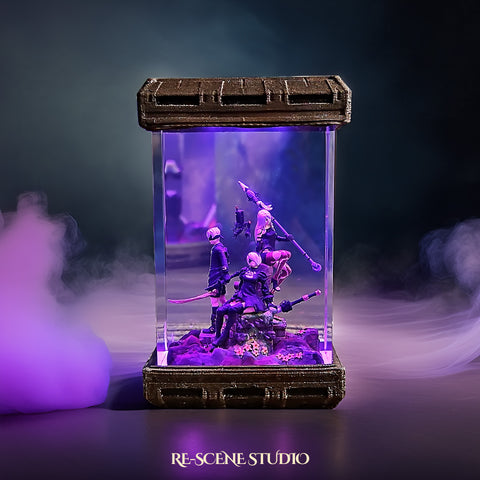
Every lamp we create carries a piece of our heart — a small universe of light, resin, and imagination, handcrafted in our workshop for someone across the world who shares our love for these stories.