




Warm vs Cool LED: The Anime Room Lighting Guide

The wrong light color can make a $300 anime setup look like a dentist's office. You've seen it happen: someone builds an incredible display shelf, lines up their figures and lamps, then floods the entire room with blue-white light that washes everything out. All that effort, undermined by a single bad lighting choice.
This anime room lighting guide breaks down color temperature in plain terms. You'll learn exactly which LED tone works for each room type, each mood, and each use case. No jargon overload, no complicated electrical theory. Just practical advice you can use tonight.
What Is Color Temperature?
Color temperature measures how warm or cool a light source appears. It's measured in Kelvin (K), and the scale runs from around 1,800K (candlelight) up to 6,500K and beyond (bright daylight).
Here's the quick breakdown:
| Kelvin Range | Color | Feels Like |
|---|---|---|
| 2,700K | Warm amber/orange | Candlelit restaurant |
| 3,000K | Soft warm white | Cozy living room |
| 3,500K | Neutral warm | Modern office with warmth |
| 4,000K | Neutral white | Clean, balanced, alert |
| 5,000K | Cool white | Daylight on a clear morning |
| 6,500K | Blue-white | Overcast sky, clinical |
The lower the number, the warmer and more amber the light. The higher the number, the cooler and more blue it becomes. Neither is objectively better. The right choice depends entirely on what you're trying to achieve.
Warm Light (2,700K to 3,000K): The Cozy Anime Aesthetic
Warm light is the default recommendation for bedrooms, nightstands, and any space where you want to feel relaxed. There's a biological reason for this: warm tones signal your brain to wind down, making it easier to sleep after a late night anime session.


For anime rooms specifically, warm light does three things well:
It flatters display pieces. Figures, resin lamps, and artwork all look their best under warm light. The amber tones add depth and richness to colors, especially reds, oranges, and earth tones. A Demon Slayer display with Rengoku's flame effects looks incredible under 2,700K lighting. It creates atmosphere. The Studio Ghibli aesthetic, that gentle, nostalgic warmth you feel watching Totoro or Spirited Away, is essentially a warm lighting palette brought to life. If your room is meant to feel like a refuge, warm is the way to go. It reduces eye strain at night. If your anime room doubles as a bedroom, warm light won't fight your body's melatonin production the way cool light does. You can leave a warm LED lamp glowing all night without disrupting your sleep cycle.Neutral Light (3,500K to 4,000K): The Balanced Setup
Neutral light sits in the middle ground, and it's genuinely useful for spaces that serve double duty. If your anime room is also where you study, work from home, or do anything that requires sustained focus, neutral light gives you alertness without the harsh clinical feel of cool white.
At 4,000K, colors appear accurate without the warm tint. This is actually the best temperature for taking photos of your collection, because it doesn't skew the colors in either direction. If you post your setup on social media, a neutral overhead light will make your photos look true to life.
The trade-off is atmosphere. Neutral light doesn't create the same cozy, immersive feeling that warm light does. It's functional more than emotional. For a dedicated display room that also functions as a workspace, this is the sweet spot.
Cool Light (5,000K to 6,500K): The Gaming Edge
Cool white and daylight-temperature LEDs are the go-to for gaming setups, and there's a reason beyond aesthetics. Cool light increases alertness and improves reaction time during long sessions. Competitive gamers have known this for years, which is why most esports arenas use high Kelvin overhead lighting.

For anime rooms, cool light works in one specific scenario: RGB gaming setups where the room is already dominated by blue, purple, and green accent lighting. In that context, a cool overhead light blends with the color scheme instead of fighting it.
The warning: Cool light is brutal for display pieces. It washes out warm colors, makes skin tones on figures look pale, and creates a sterile atmosphere that kills any sense of coziness. If your room prioritizes display and ambiance over competitive gaming, avoid 5,000K and above as your primary light source.Cool light also suppresses melatonin production more than any other temperature. Using it in a bedroom setup within two hours of sleep will genuinely affect your rest quality.
How Resin Lamps Fit In
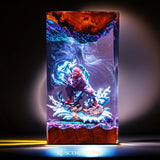
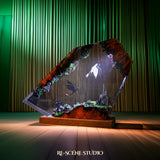
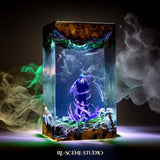
Resin lamps occupy a unique position in the lighting spectrum. They're not overhead lights. They're not task lights. They're ambient accent pieces that add a layer of warmth and visual interest to any setup, regardless of your primary lighting choice.

Most resin lamps, including every lamp at Rescene Studio, use warm white LEDs in the 2,700K to 3,000K range. This is intentional. The warm glow diffuses through the resin material, creating a soft, even light that adds depth to the scene inside without overpowering the room.
Here's why this matters for your setup:
In a warm lit room: A resin lamp blends seamlessly, adding another layer of warm ambient light. It becomes part of the cohesive atmosphere. In a neutral lit room: The lamp provides a warm accent point that draws the eye. It adds character to an otherwise functional space. In a cool lit or RGB room: This is where resin lamps really shine. The warm glow provides contrast against cool blue and purple tones, creating visual depth that monochrome RGB setups lack. A warm resin lamp on a desk surrounded by cool RGB strips looks intentional and balanced, not chaotic.The resin itself acts as a natural diffuser. Unlike bare LED bulbs or strip lights, which can create harsh points of light, resin scatters the LED output evenly through its body. The result is a glow that feels organic, almost like light passing through colored glass.
Room by Room Recommendations
Every room has a different purpose, and your lighting should match. Here's a quick reference for the most common anime room configurations.
Bedroom with Anime Display
Primary light: Warm white (2,700K to 3,000K) overhead or floor lamp. Accent light: One or two resin lamps on the nightstand or shelf. Leave them on as nightlights. Avoid: Cool white overhead. It'll ruin the atmosphere and mess with your sleep.This is the most common setup for anime fans, and it's the easiest to get right. Warm overhead plus warm accents creates a layered, cozy environment where your collection looks its best.
Desk and Study Area
Primary light: Neutral white (4,000K) desk lamp for focused work. Accent light: A resin lamp on the corner of the desk or on a nearby shelf to soften the workspace feel. Avoid: Only warm light if you need to focus. You'll get drowsy.The key here is layering. Your task light handles visibility, and the accent lamp adds personality. Switch to just the resin lamp when you're done working and want to relax at your desk.
Dedicated Gaming Room
Primary light: Neutral to cool (4,000K to 5,000K) overhead, or let RGB strips handle ambient lighting entirely. Accent light: Warm resin lamps provide contrast against the RGB palette. Place them on shelves or side tables away from the primary screen. Avoid: Mixing warm overhead with cool RGB. It creates a visual clash that looks unplanned.Living Room Display Shelf
Primary light: Warm white (3,000K) overhead or track lighting directed at the display. Accent light: Resin lamps integrated into the shelf arrangement, glowing alongside figures and collectibles. Avoid: Cool spotlights on the display. They'll make everything look like a hospital gift shop.Frequently Asked Questions
Light It Right
The difference between a great anime room and a mediocre one often comes down to lighting choices you made without thinking about them. Now you have the knowledge to make those choices deliberately. Start with your primary light temperature, add accent layers with warm sources like resin lamps, and adjust until the room feels like a space you genuinely want to spend time in.
Your collection deserves lighting that shows it off properly. Take fifteen minutes to evaluate what you have, swap out any bulbs that aren't working for the space, and see how much better everything looks.
Featured Resin Lamps
Handcrafted with care, each one unique
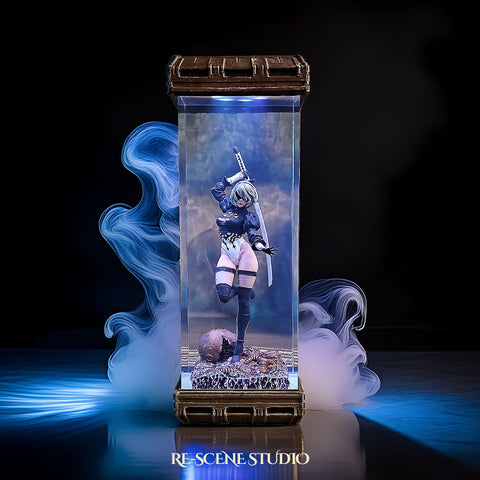
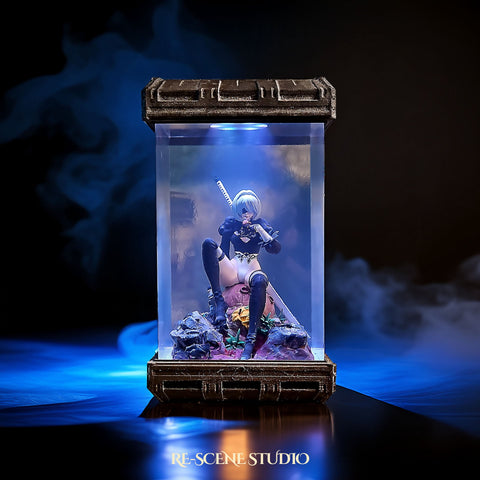
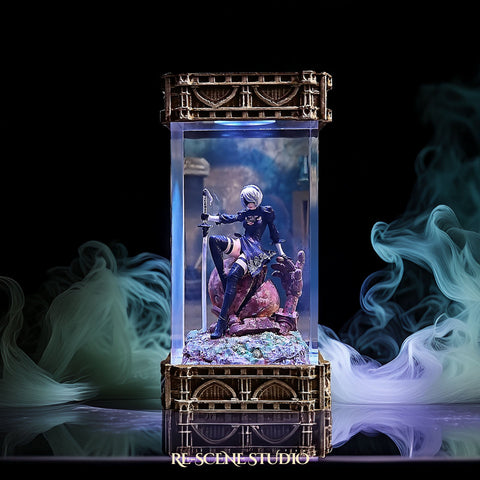
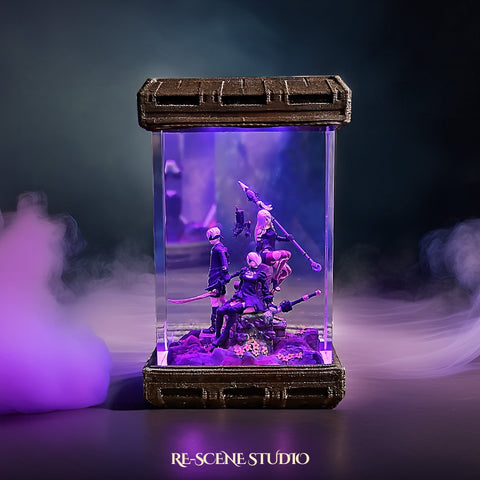
Every lamp we create carries a piece of our heart: a small universe of light, resin, and imagination, handcrafted in our workshop for someone across the world who shares our love for these stories.