



![[FATHER'S DAY] Ember Glow Ticket | $6.68 — Handcrafted Epoxy Resin LED Lamp | Unique Ambient Decor & Collector's Gift](http://rescenestudio.com/cdn/shop/files/Lucky_Star_Ticket_NYE_2026_c61361fc-ea06-4a31-8379-e16ed7d47902.jpg?v=1767177179&width=320)


Studio Apartment Lighting: Every Zone in 400 Square Feet

A studio apartment is one room expected to function as four rooms. Sleeping, working, eating, and lounging all happen in the same 400 square feet. Most studio dwellers manage the layout problem (a daybed instead of a separate bed, a small dining table that doubles as a desk) but fail at the lighting problem. They use a single overhead fixture for everything, which makes the space feel like one undifferentiated room rather than four functional zones.
This guide covers the studio apartment lighting setup that actually solves the four-zones-in-one-room problem. By the end you'll know which fixture goes where, what bulb temperatures to use in each zone, and the specific tricks that make a small space feel intentionally designed rather than crammed together. The aim is a studio that feels like multiple rooms when you're inside it, even though it's physically one.
Why Single-Source Lighting Fails in Studios
Walk into a typical studio and the lighting setup is usually one of two failures:
- Single overhead fixture, on or off. The whole apartment is fully lit or fully dark. There's no way to read in bed without lighting the kitchen too. The mode switch is binary and unhelpful.
- Mismatched lamps in different corners. A bedside lamp here, a desk lamp there, no thought about how they work together. Some areas are over-lit, others are dark.
The fix is zoning. Treat the studio as four conceptual rooms, each with its own lighting plan. The physical space stays one room; the lighting separates the functional zones. The result: you can light the bed area for reading without lighting the kitchen, illuminate the desk for work without disturbing your roommate, and create separate ambient moods for sleeping vs entertaining.
The Four Studio Zones (and How to Light Each)
| Zone | Function | Best Lighting | Key Bulb Spec |
|---|---|---|---|
| Sleep | Bed area, dressing | Bedside lamp + reading light | 2700K warm white, dimmable |
| Work | Desk, computer, calls | Task lamp + ambient fill | 3000-4000K, 800+ lumens at desk |
| Eat | Dining table or breakfast bar | Pendant or focused fixture | 3000K, dimmer-controlled |
| Lounge | Sofa, TV, reading chair | Floor lamp + accent piece | 2700K warm, layered |
Notice the bulb temperature variation: warmer for sleep and lounge, slightly cooler for work and eat. The temperature shift signals zone change as much as the spatial layout does.
Zone 1: The Sleep Area (Bed Plus Reading)
The bed area in a studio needs the most thoughtful lighting because it has the most modes: getting dressed in the morning (need bright), reading in the evening (need focused), winding down before sleep (need dim warm).
The setup:
- One bedside lamp. Wall-mounted swing-arm sconces (from West Elm or similar) save bedside table space; freestanding table lamps work if you have the table room. 2700K warm white bulb, dimmable.
- One ambient floor lamp. Tall corner floor lamp (an IKEA floor lamp works for under $40) angled to throw light toward the ceiling for diffuse fill when getting dressed.
- One sleep-mode source. Plug-in amber nightlight near the bathroom path. Lets you navigate at night without re-triggering wake-up signals.

For the science of why bedside lighting affects sleep quality, our blue light and sleep guide covers the bulb temperature and timing principles. For the layout principle in regular bedrooms, our bedroom lighting layout guide covers the four-zone framework that scales down to studios.
Zone 2: The Work Area (Desk Plus Calls)
The work zone has a different need: focused, slightly cool light for tasks, plus enough ambient for video calls so your face isn't backlit. The setup:
- One desk lamp. Architect-style or LED task light, adjustable head. 3000-3500K bulb, 800+ lumens at desk surface. Dimmable if possible.
- One face-fill light for calls. A small ring light, light bar (BenQ ScreenBar), or Elgato Key Light positioned in front of you. Reduces shadow on your face during video calls.
- Window control. Daylight is the best work light if you have a window. Position the desk so daylight comes from the side rather than behind (backlight on calls is the #1 video call problem).
For the broader home-office lighting setup that applies to studios with a dedicated work zone, our home office lighting guide covers video-call-specific lighting that works in compact spaces.
Zone 3: The Eating Area (Table or Bar)
The eating zone in a studio is often a small table that doubles as a desk or a counter-height breakfast bar. The lighting goal is to make the eating activity feel distinct from work:
- One pendant fixture (if ceiling allows). Hung 30-36 inches above the dining surface. 3000K bulb, dimmable. The pendant defines the table as a "real" dining space.
- Plug-in alternative. If you can't install a pendant, a swing-arm wall sconce angled over the table works. Or a small candle on the table during meals (with care for fire safety).
- Dimmer control. The dining lighting should drop dramatically for evening meals to signal "we're not working anymore."
For more on the principles of dining lighting in larger contexts, our pendant vs flush mount guide covers the fixture choice; the same logic applies in a studio.
Zone 4: The Lounge Area (Sofa Plus Accent)
The lounge zone is where the studio feels most like a normal apartment. The lighting strategy is layered:
- One floor lamp behind the sofa. Tall arc lamp or torchiere. Angled to throw warm light over the sofa from behind/above. 2700K warm white bulb.
- One side table lamp. Small table lamp on a side table next to the sofa. Provides a closer reading-light option without the floor lamp's higher angle.
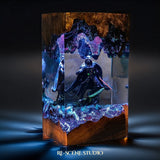
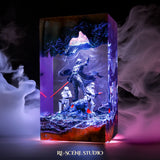
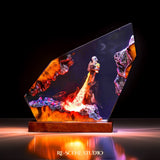
- One accent piece. Resin lamp, candle, salt lamp, or similar atmospheric piece on the coffee table or shelf. Adds character without competing with the practical lamps.

Three light sources in the lounge zone alone might seem like a lot for a small space. The visual effect is the opposite: the layered warm sources make the lounge feel intentional and roomy, while a single overhead fixture would make the same space feel utilitarian and cramped.
Vertical Lighting Tricks for Small Spaces
The single biggest spatial trick in studio lighting is using vertical space. Floor and table lamps eat horizontal footprint; wall and ceiling-mounted fixtures don't. Three vertical-first techniques:
- Wall sconces over table lamps. A pair of wall sconces flanking the bed adds bedside light without consuming bedside-table real estate.
- LED strip behind furniture. A warm LED strip behind a bookshelf or sofa back creates indirect ambient without taking surface space.
- Tall floor lamps over short table lamps. A tall arc floor lamp covers a 6-foot radius from a 12-inch base footprint. A table lamp covers a 3-foot radius from a 6-inch table footprint. The floor lamp wins for studio efficiency.
For the specific principle of layered lighting that scales especially well in small spaces, our nature-inspired home lighting guide covers the foundational layering technique.


Color Temperature Strategy for Zone Differentiation
One of the most underused tricks: use slightly different color temperatures in different zones. Even within a single 400-square-foot space, the temperature shift signals "different room" to the brain.
| Zone | Recommended Kelvin | Time-of-Day Note |
|---|---|---|
| Sleep | 2700K (or 2200K for late evening) | Warmer in evening, slightly brighter morning |
| Work | 3000-4000K | Cooler during work hours; switch to warm after |
| Eat | 2700-3000K | Lower brightness for dinner, brighter for lunch |
| Lounge | 2700K | Consistent warm; dim for evening relaxation |
The shift from 4000K work to 2700K lounge in particular is what makes the studio feel like "I'm done with work" at 6pm. Same physical space, different zone activated, different lighting reinforces the transition.
Smart Lighting in Studios (Worth It?)
Smart lighting earns its premium in studios more than in any other apartment type. The reasons:
- Scene control. "Work mode" sets the desk light bright and cool, dims the bed and lounge zones. "Sleep mode" reverses it. One voice command transitions all four zones.
- Schedule automation. Lights gradually warm from 4000K morning to 2700K evening throughout the day, mimicking outdoor light shifts.
- Geofencing. Coming home triggers the right zones based on time of day.
For studio dwellers committed to smart lighting, our smart home lighting comparison covers which system fits best. Hue is the strongest scene-control choice for multi-zone setups.
Cost Breakdown for Complete Studio Lighting Setup
| Zone | Fixtures | Cost Range |
|---|---|---|
| Sleep | Bedside lamp + amber nightlight + corner floor lamp | $80-150 |
| Work | Desk lamp + face-fill light | $60-200 (light bar option drives high end) |
| Eat | Pendant or wall sconce | $50-150 |
| Lounge | Floor lamp + side table lamp + accent piece | $120-250 |
| Total studio | 9-10 fixtures across all zones | $310-750 |
The price spread reflects budget vs designer choices. A capable studio lighting setup can be assembled from IKEA, Target, and Amazon for around $310. A premium setup from West Elm, CB2, and quality LED brands runs closer to $750. Either delivers the four-zone effect.
Frequently Asked Questions
Featured Resin Lamps
Handcrafted with care — each one unique


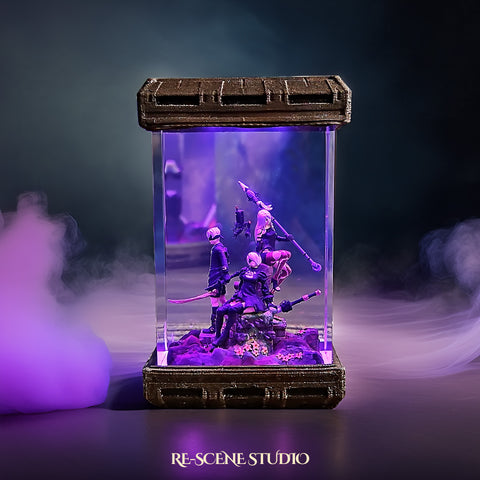
Every lamp we create carries a piece of our heart — a small universe of light, resin, and imagination, handcrafted in our workshop for someone across the world who shares our love for these stories.