







Resin Lamp Care Guide: How to Keep Your Lamp Perfect for Years
A handcrafted resin lamp isn't a disposable desk accessory. Each piece takes days to build, cure, and finish by hand. The resin itself is durable, the embedded scenes are sealed, and the LED base is designed for thousands of hours of use. These lamps are made to last.
That said, resin does have a few natural vulnerabilities. UV exposure, harsh chemicals, and temperature extremes can all affect clarity over time. The good news: avoiding these issues takes almost no effort. Five minutes of basic resin lamp care every week keeps your piece looking exactly the way it did when it arrived.
This guide covers everything you need to know, from daily dusting to long-term protection.
Daily Care: Dust with a Soft Cloth
Dust is the most common enemy of clear resin. It settles on surfaces every day, and if left for weeks, it can build up into a film that dulls the lamp's transparency and scatters light from the LED base unevenly.

If you display your lamp in a room with pets or near an open window, dust builds faster. In those cases, a quick wipe every other day keeps things clear. For lamps displayed in enclosed shelves or glass cabinets, once a week is more than enough.
Avoid feather dusters. They look nice but actually redistribute dust more than they remove it. Microfiber cloth or a soft camera lens brush are the two best options for resin surfaces.Deep Cleaning: Mild Glass Cleaner, Never Alcohol
Occasionally, your resin lamp may need more than a dry wipe. Fingerprints, light smudges, or sticky residue (especially in kitchens or near food areas) can appear on the surface. When that happens, a gentle deep clean restores full clarity.
What to use: A small amount of mild glass cleaner (like Windex or any ammonia-free formula) sprayed onto a microfiber cloth. Not directly onto the lamp. Spray the cloth first, then wipe the resin surface gently. Follow up with a dry pass using a clean section of the cloth. What to avoid, and this is critical: Never use rubbing alcohol, acetone, or any solvent-based cleaner on resin. These chemicals can cloud the surface, dissolve the finish, or cause micro-cracking over time. Even hand sanitizer left on resin too long can leave a hazy mark. If you remember nothing else from this guide, remember this: no alcohol on resin, ever.For stubborn spots, let the damp cloth sit on the area for 10 to 15 seconds to soften the residue before wiping. This is gentler than scrubbing and avoids any risk of scratching.
Protecting from UV and Sunlight
This is the single most important section of this resin lamp care guide. UV exposure is the number one cause of resin yellowing, and it happens so gradually that most people don't notice until the lamp looks noticeably different from its original color.

If your display area gets afternoon sun, consider moving the lamp to a different shelf or adding a UV-protective film to the window. These films are inexpensive (under $20 for a roll that covers most windows) and they protect everything in the room, including furniture, books, and artwork.

LED Base Care: Battery and Remote
The LED base is the functional heart of your resin lamp. It provides the illumination that brings the resin scene to life, and it's designed for reliability. A few simple habits keep it running smoothly.
Battery-powered bases: Most of our lamps ship with USB-rechargeable LED bases. When the light starts dimming or flickering, recharge via the included USB cable. A full charge typically provides 6 to 10 hours of continuous use depending on brightness. Don't wait until the battery is completely dead to recharge; topping off regularly extends overall battery lifespan. Remote controls: If your lamp includes an IR remote, keep a spare set of button cell batteries (usually CR2025 or CR2032) on hand. Remotes use very little power, so a battery set lasts 6 to 12 months of normal use. If the remote stops responding, replace the battery before assuming it's broken. Cleaning the base: Wipe the LED base with a dry cloth periodically. Dust on the LED surface diffuses light output and reduces brightness. A clean base produces crisper, more vibrant illumination through the resin. USB cable care: Avoid bending the USB cable sharply at the connector point. This is where cables fail most often. A gentle loop when storing the cable prevents internal wire breakage.Display Tips: Temperature and Humidity
Resin is stable across a wide range of conditions, but extreme environments can cause issues over time. Here's what to keep in mind when choosing where to display your lamp.

Common Mistakes to Avoid
Even well-intentioned care can go wrong. Here are the most frequent mistakes we see, and how to avoid them.
Using household cleaners. All-purpose sprays like 409 or Lysol contain chemicals that can cloud resin over time. Stick to mild glass cleaner or just a damp microfiber cloth. If you're unsure about a product, test it on a small, hidden area first. Storing lamps in attics or garages. These spaces experience extreme temperature swings, from freezing in winter to over 120 degrees in summer. Resin doesn't respond well to repeated thermal cycling. Always store lamps indoors in climate-controlled rooms. Placing lamps in direct sunlight "just for the photo." Even 30 minutes of direct sun exposure on a hot day can start the yellowing process in sensitive clear resin. Take your photos indoors with LED lighting or in shaded outdoor areas. Ignoring the LED base. A dead or dim LED base makes even the most beautiful resin piece look lifeless. Keep the battery charged and the LED surface clean. The light is half the experience. Stacking lamps during storage. Resin surfaces can scratch each other if pieces are stored in contact. If you need to store a lamp temporarily, wrap it in a soft cloth or place it back in its original packaging with foam inserts.Frequently Asked Questions

A Lamp That Lasts
Resin lamp care isn't complicated. Dust regularly, clean gently, keep it out of direct sunlight, and maintain the LED base. That's genuinely all it takes. These lamps are handcrafted to be durable, and with basic care, they'll stay as clear and vibrant as the day they arrived.
If you have questions about caring for a specific lamp or need replacement parts for your LED base, contact us through Rescene Studio. We're always happy to help.
Featured Resin Lamps
Handcrafted with care, each one unique



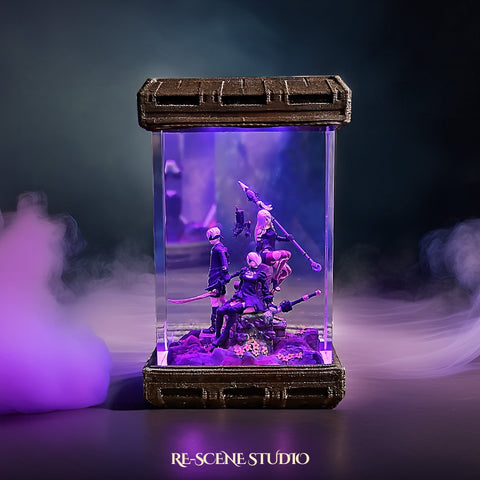
Every lamp we create carries a piece of our heart: a small universe of light, resin, and imagination, handcrafted in our workshop for someone across the world who shares our love for these stories.