



Lampshade Materials Compared: Linen, Paper, Glass, Metal

You can put the same bulb in two different lamps and the room will feel like two different rooms. The reason is the shade. Lampshades shape, filter, and color the light in ways most people don't realize until they swap one and watch the change. The four most common materials, linen, paper, glass, and metal, each do this differently. Picking the right one for a specific room and use isn't aesthetic preference; it's a functional choice that changes how the light works.
This guide compares the four lampshade materials side by side, explains how each one affects the light and the room, and recommends specific use cases for each. By the end you'll know which shade material to put in which room and why.
Why Lampshade Material Matters More Than You Think
A lampshade does three jobs simultaneously: it diffuses (softens) the light, it directs the light (up, down, or sideways), and it sets the lamp's visual presence in the room. Different materials handle these three jobs at completely different ratios.
A linen drum shade diffuses heavily, directs light evenly up and down, and visually disappears into a curated room. A glass shade barely diffuses at all, directs light precisely where the glass is shaped to send it, and creates a sharp visual presence. Same bulb in both, totally different effect.
The shade is also where most lamps fail. People upgrade the bulb, the base, the bedroom layout, and ignore the shade. A $25 shade swap can change how a $200 lamp looks and works more than buying a new lamp would.
| Material | Light Quality | Direction | Best For |
|---|---|---|---|
| Linen | Soft, warm, diffused | Even (up and down) | Living rooms, bedrooms |
| Paper | Very soft, slight glow through | Mostly down | Bedrooms, reading nooks |
| Glass (frosted) | Clean, slightly diffused | Even (up and down) | Kitchens, bathrooms, vanities |
| Glass (clear) | Sharp, undiffused | All directions | Industrial, statement fixtures |
| Metal (solid) | Heavily directed, no diffusion | Down only | Task lights, kitchens |
| Metal (perforated) | Pattern projection | Down + dappled | Decorative, mood lighting |
Linen Lampshades: The Default for Good Reason
Linen is the most common high-quality lampshade material and for good reason. The natural fiber weave diffuses light at exactly the right level: enough to soften the bulb's harsh edges, not so much that the room goes dim. Light passes through the linen evenly, so a linen drum shade emits roughly equal light up (toward the ceiling) and down (onto the surface below).

Linen shades come in white (cleanest, most diffused), cream (slightly warmer), and natural (visible weave texture, even warmer). The color of the linen subtly tints the light, white linen is closest to neutral, while natural linen pushes the bulb's color slightly warmer and more golden.
Best for: Living rooms, bedrooms, dining rooms with table lamps. Anywhere you want soft ambient light with no harsh shadows.
Skip in: Kitchens (linen absorbs grease and odors over time), bathrooms (humidity damages linen), task lighting where you need direct beam.
Price range: $20-50 for standard sizes from West Elm or IKEA, $80-200 for high-end designer linen from Lamps Plus or specialty shops.
Paper Lampshades: Soft Glow at the Lowest Cost
Paper shades, especially the rice paper varieties common on Japanese-inspired lamps, are the cheapest way to get diffused light. Paper transmits more light than linen but with a slightly different quality. Where linen feels warm and woven, paper feels clean and cool.
Paper shades come in three styles. Standard rice paper (translucent, soft glow), printed paper (with patterns or text that show through when lit), and pleated paper (creates vertical line shadows). The pleated style is the most popular in traditional lamp designs.
Best for: Bedrooms, reading corners, low-budget living spaces, Japanese or minimalist aesthetics. Anywhere you want maximum light transmission with diffusion.
Skip in: Kitchens, bathrooms, areas with kids or pets (paper tears easily), high-traffic spots where the shade gets bumped.
Price range: $10-25 for standard sizes, $30-80 for pleated or specialty paper. The cheapest of all four materials by far.
One honest note about paper shades: they yellow over time. UV exposure and bulb heat both contribute. Expect to replace a paper shade every 2-3 years if it's used daily. The replacement cost is low enough that this isn't a real downside, but worth knowing before buying.
Glass Lampshades: Frosted vs Clear vs Colored
Glass shades are the broadest category by far because the type of glass changes everything. Three subcategories matter:
Frosted (or "milk") glass diffuses similarly to linen but with a cleaner, more architectural look. The glass scatters light evenly so there are no hot spots from the bulb. Frosted glass is the right choice for kitchens, bathrooms, and vanities where you want diffusion but linen wouldn't survive the environment.
Clear glass (smoke, amber, or completely clear) doesn't diffuse at all. The bulb is fully visible through the shade. The light spreads in all directions with no softening. Clear glass shades work for industrial-style fixtures, Edison bulb pendants, and decorative pieces where the bulb itself is part of the design. Bad choice for bedrooms or reading corners , the unfiltered bulb glare hurts your eyes.
Colored glass tints the light. Amber glass produces a warm honey glow, blue glass shifts cool, green creates a vintage banker's-lamp vibe. Use sparingly, one colored shade in a room is striking, three colored shades become overwhelming.
Best for: Frosted in kitchens and bathrooms, clear in industrial-style spaces, colored as accent pieces. Generally avoid clear glass in rooms where you read or work directly under the lamp.
Price range: $25-100 for frosted, $40-200 for clear glass with quality bulb housing, $80-400 for stained or colored glass.

Metal Lampshades: When Direction Matters More Than Diffusion
Metal lampshades are the directional choice. They block light from passing through (no diffusion at all) and force light out the open ends only. The result is a focused beam down (and a softer beam up if the shade is open at the top).
Metal shades come in two functional styles:
Solid metal cone or drum. Light goes only where the shade is open. A traditional banker's desk lamp uses a green metal shade that focuses light directly down on the work surface. A pendant with a solid metal shade does the same job over a kitchen island.
Perforated metal. Tiny holes or pattern cutouts in the metal create dappled light projections on nearby surfaces. The pattern shadows on the wall become part of the room's atmosphere. Moroccan-style metal lanterns are the classic example.
Best for: Task lighting (desk lamps, reading lights, kitchen pendants), industrial aesthetics, decorative mood lighting (perforated styles). Anywhere you want light placed precisely.
Skip in: Spaces where you want soft ambient diffusion. A solid metal shade in a bedroom corner will feel harsh because all the light goes straight down.
Price range: $30-80 for basic, $80-250 for designer metal pendants or perforated styles, $250+ for hand-finished brass or copper.

How to Pick the Right Shade for Each Room
Use this matrix as a starting point. The "best" choice depends on what the lamp is doing in the room, not just personal preference:
| Room | Lamp Use | Best Shade | Why |
|---|---|---|---|
| Living room | Ambient table lamp | Linen drum | Even diffusion, warm tone, fits curated decor |
| Bedroom (bedside) | Reading + task | Linen drum or paper | Soft enough for sleep, bright enough to read |
| Bedroom (corner accent) | Atmosphere | Paper or linen with amber bulb | Maximum diffusion, low intensity |
| Kitchen island | Pendant task light | Frosted glass or solid metal | Focused light without grease-trap diffusion |
| Bathroom vanity | Mirror lighting | Frosted glass | Even diffusion, humidity-resistant |
| Home office (desk) | Task | Metal cone or solid shade | Direct beam on work surface |
| Dining room | Pendant centerpiece | Glass, fabric, or natural fiber | Visual interest plus diffusion |
| Hallway/entryway | Ambient | Frosted glass flush mount | Low-fuss, even illumination |
For broader lighting strategy beyond individual fixtures, our living room lighting guide and bedroom lighting layout guide cover how to combine multiple shade types in the same room without visual clutter.
Lampshade Sizing Rule of Thumb
One quick sizing principle that prevents most aesthetic mistakes: the shade's diameter should be roughly two-thirds the height of the lamp base, and the shade's height should be roughly one-third the total lamp height (base plus shade).
For a 24-inch tall lamp base, that means a shade roughly 16 inches in diameter and 8 inches tall. The lamp will feel proportional. Scale up or down for larger or smaller bases. Most lampshade purchases fail because the shade is too small for the base, the result looks like a stick with a hat on it. Going slightly larger looks more intentional than going smaller.
For a deeper guide on lighting specs that affect shade choice (especially how Kelvin temperature interacts with shade material), our guide to wattage, lumens, and Kelvin covers the three numbers that actually matter on bulb packaging.
How Resin "Shades" Compare to Traditional Materials
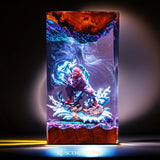
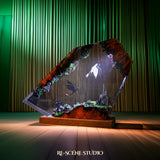
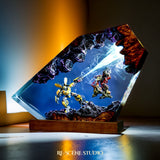
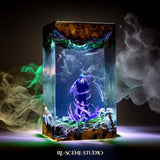
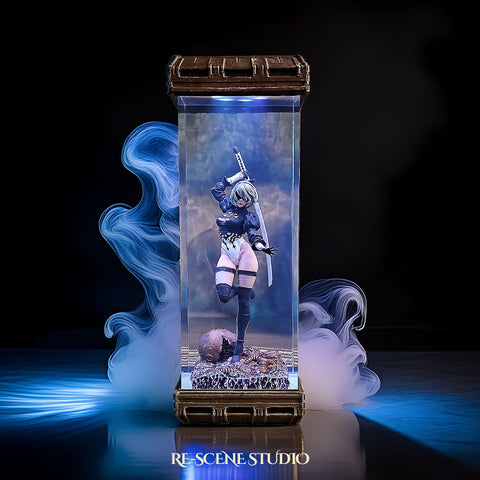
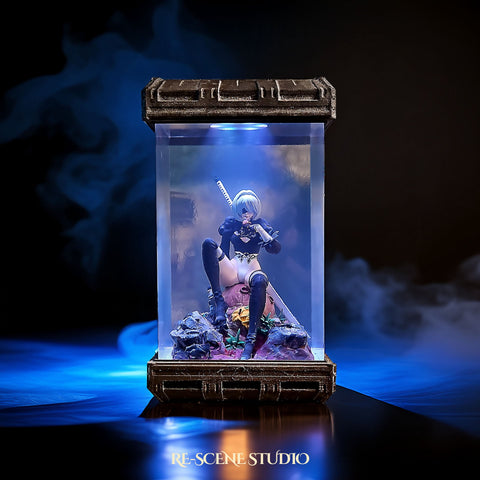
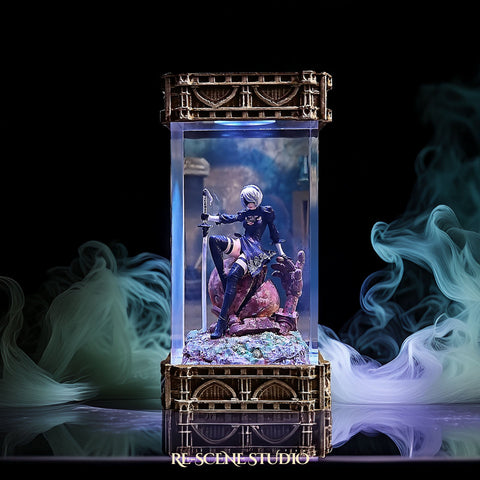
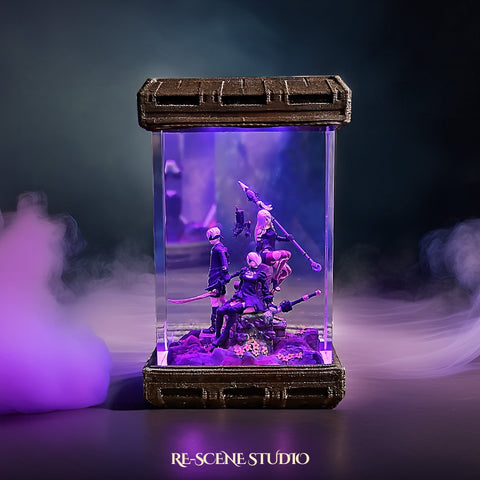
Handcrafted resin lamps don't use shades in the traditional sense. The "shade" is the resin itself, with the figure or scene embedded inside it. This produces a totally different lighting effect than any of the four materials covered above:
- The light source is inside the resin, not above or behind a shade. This means the glow appears to come from within the figure, not from a bulb being filtered.
- The resin diffuses partially, similar to frosted glass, but with the figure interrupting the light path in irregular ways.
- The visual effect is a "lit specimen", the piece appears illuminated from within rather than externally lit.

This makes resin pieces work as accent lighting in ways traditional shades can't. They're effectively their own category. For accent layer lighting in a bedroom or living room, a warm-LED resin piece beside a traditional linen-shaded lamp creates two completely different lighting effects in the same room , one ambient, one atmospheric.
Frequently Asked Questions
Featured Resin Lamps
Handcrafted with care, each one unique
Every lamp we create carries a piece of our heart: a small universe of light, resin, and imagination, handcrafted in our workshop for someone across the world who shares our love for these stories.